
If you’ve ever dealt with a blocked nose that simply refused to clear, or a heavy feeling across your cheeks and forehead that stayed for days, you already know how frustrating sinusitis can be. It’s one of those conditions that seems small, but affects almost everything — from how well you sleep, to how clearly you think, to how comfortably you breathe.
In a city like Bangalore, where the weather flips between dry, cold, humid, and dusty within days, sinus issues have become incredibly common.
Many people rely on steam inhalation, nasal sprays, or repeated medication cycles just to get through the day.
But what if there was a gentle, natural, non-drug way to reduce sinus inflammation and prevent it from coming back?
This is where acupuncture comes in — a treatment that doesn’t just give temporary relief, but helps your body heal from within.
Let’s walk through sinusitis in a simple, friendly way so you understand what’s happening in your body, and what acupuncture can do for you.
What Exactly Is Sinusitis, and Why Does It Hurt So Much?
Behind your forehead, nose, and cheeks are small air-filled pockets called sinuses. They’re lined with soft, delicate tissues that keep your nose moisturized and help filter the air you breathe.
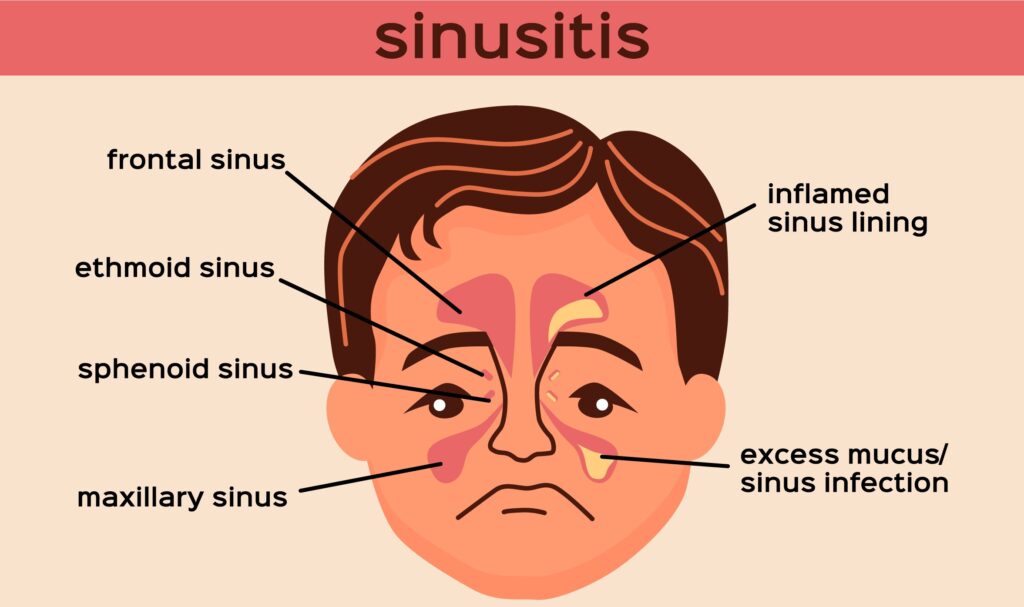
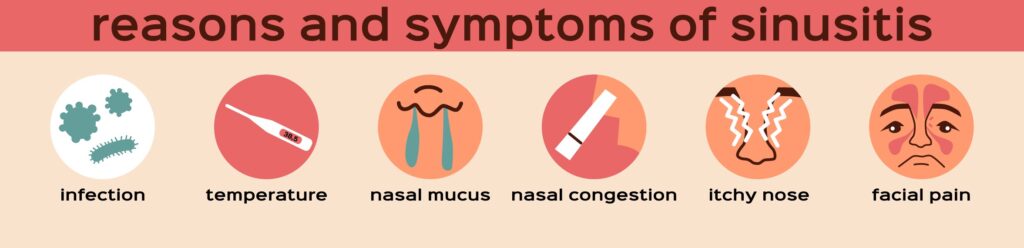
When these tissues become inflamed — due to infection, allergies, pollution, or a structural blockage — the airflow gets restricted. Mucus doesn’t drain properly and begins to accumulate. That’s when the pressure builds and you experience:
- A blocked nose
- Constant watery or runny nose
- Fullness or heaviness in the face
- Pain in the forehead
- Difficulty smelling or tasting
- A cough that gets worse at night
- A dull headache that just doesn’t go away
It’s not just “a cold.” It’s your sinus cavities crying out for help.
🌦️ Why Do People in Bangalore Get Sinusitis So Often?
Simple — the environment plays a huge role.
The air can be dusty during summers, pollen spikes in certain seasons, monsoons trigger mold and dampness, and winter air becomes dry. Add to this the city’s pollution levels, and your sinuses are constantly battling irritants.
For many people, allergy-triggered sinusitis becomes a yearly or even monthly struggle.
🤧 What Causes Sinusitis? More Than Just a “Cold”
Sinusitis doesn’t have just one cause. For different people, the trigger can be different:
1. Allergies (The No.1 Trigger)
Dust, pet dander, pollen, smoke — all of these irritate the sinus lining and cause swelling.
2. Infections
A viral infection, if not cleared completely, can turn into a bacterial infection and lead to sinusitis.
3. Structural Issues
- A deviated nasal septum
- Nasal polyps
Both physically block sinus drainage and cause recurring symptoms.
4. Weather and Pollution
Dry air, cold wind, or high humidity can irritate the sinuses.
So the root cause is rarely “just blocked nose.” It’s usually an underlying imbalance.
💊 Why Conventional Treatments Don’t Always Solve the Problem
It’s very common for people to be prescribed antihistamines, antibiotics, painkillers, decongestant sprays, or steroids. While these may offer short-term relief, the problem comes back because:
- Medication doesn’t correct the root imbalance
- Nasal sprays can cause dependency
- Antibiotics don’t work for viral infections
- Steroids offer relief but cannot be used continuously
That’s why so many people feel stuck in a cycle — relief → blockage → relief → blockage.
If you’re tired of that cycle, you’re not alone.
🌟 How Acupuncture Helps Sinusitis (And Why So Many People Swear by It)
Here’s the refreshing part: acupuncture isn’t about suppressing symptoms. It’s about resetting your body so it can heal itself naturally.
When acupuncture needles (which are as thin as hair) are gently inserted into specific points, your body responds in remarkable ways.
✨ 1. It Reduces Inflammation Naturally
Acupuncture triggers the release of endorphins — your body’s own anti-inflammatory chemicals. This reduces swelling in the sinus lining.
✨ 2. It Improves Blood Circulation Around the Sinus Region
Better blood flow = better oxygenation = faster healing and drainage.
✨ 3. It Stimulates the Nervous System
This helps regulate the pathways responsible for sinus pressure, mucus production, and pain.
✨ 4. It Boosts Immunity
Regular acupuncture sessions reduce the frequency and severity of sinus attacks — especially allergy-related cases.
✨ 5. It Clears Blockages
Acupuncture opens up blocked channels, allowing mucus to drain more efficiently, leaving your nose feeling lighter and clearer.
Most people experience relief from pressure, heaviness, and blockage even within the first few sessions.
🌀 The Traditional Chinese Medicine (TCM) View: A Beautiful Explanation
In TCM, sinusitis occurs due to:
- Struggles in the body’s energy channels (Qi)
- Excess wind, heat, dampness, or cold trapped in the system
- Blocked meridians that prevent proper drainage
Acupuncture works by:
- Opening up these blocked pathways
- Helping lymphatic and venous drainage
- Reducing internal “dampness” (mucus)
- Restoring balance
This is why acupuncture results feel so naturally relieving — the body is doing the healing, not external chemicals.
🌿 What Happens During an Acupuncture Session at BNCC?
Most first-time patients are pleasantly surprised by how relaxing the experience is.
Here’s what you can expect:
✔ Step 1: A Detailed Consultation
Your symptoms, triggers, history, and lifestyle are reviewed with care.
✔ Step 2: Mapping the Right Acupuncture Points
These include points on the face, hands, feet, and sometimes the back — depending on your pattern.
✔ Step 3: Gentle Needle Insertion
The needles are extremely fine, and the sensation is usually a soft pinch or mild warmth.
✔ Step 4: Deep Relaxation
You lie down for 20–30 minutes while the body’s healing response activates.
✔ Step 5: Treatment Plan
Most people need 6–10 sessions for lasting improvement.
Many report clearer breathing and lighter sinus pressure even after 2–3 sessions.
🌱 Simple Home Tips to Support Your Healing
Along with acupuncture, you can speed up healing with:
- Hot water steam inhalation
- Drinking warm fluids
- Avoiding cold foods and dairy
- Using a humidifier
- Practicing nasal rinses with netipot
- Eating anti-inflammatory foods like ginger, garlic, turmeric
Small changes make a big difference when the root cause is being addressed naturally.
🧘 When Should You Seek Professional Help?
If your sinus symptoms last longer than 10–14 days, or keep coming back again and again, it’s time to seek treatment.
Chronic sinusitis rarely resolves on its own — and early treatment prevents a lot of discomfort.
🌼 Final Thoughts: Healing Sinusitis Naturally Is Possible
Sinusitis can feel never-ending, but it doesn’t have to be. Acupuncture offers a gentle, effective, and long-term solution by working with your body rather than against it.
At Basava Nature Cure Clinic (BNCC) in Bangalore, sinusitis treatment is carefully designed around your unique triggers, your lifestyle, and your body’s healing rhythm.
If you’re ready to breathe freely, sleep better, and feel more energetic — naturally — acupuncture may be exactly what your body needs.
👉 Ready to experience natural sinus relief? Book a consultation at BNCC today.
Research Articles that Support Acupuncture for Sinusitis
- Acupuncture for the Treatment of Chronic Rhinosinusitis: A PRISMA-Compliant Systematic Review and Meta-Analysis
- Use of Acupuncture in the Treatment of Sinus and Nasal Symptoms: Results of a Practitioner Survey
Frequently Asked Questions on Acupuncture for Sinusitis
1. What is the fastest natural remedy for sinusitis?
Steam inhalation, warm compresses, hydration, and avoiding allergens can help, but acupuncture is one of the fastest natural ways to reduce inflammation and relieve sinus blockage.
2. How does acupuncture help with sinusitis?
Acupuncture reduces inflammation, improves sinus drainage, stimulates nerves, boosts immunity, and clears congestion by activating specific energy meridian points.
3. Is acupuncture safe for sinusitis?
Yes. Acupuncture is a non-invasive, drug-free, and extremely safe treatment when performed by trained experts like those at BNCC.
4. How many acupuncture sessions are needed for sinusitis?
Most patients experience relief within 3–5 sessions. Chronic or recurrent sinusitis may require 6–10 sessions for long-term improvement.
5. Does acupuncture hurt?
No. The needles used are ultra-thin (as thin as a strand of hair). Patients typically feel a gentle sensation or warmth, but not pain.
6. Can acupuncture prevent sinusitis from coming back?
Yes. Regular acupuncture sessions help strengthen immunity and reduce inflammation, which lowers the frequency and severity of future sinus episodes.
7. What foods should I avoid during sinusitis?
Avoid dairy, cold foods, refined sugar, and deep-fried items as they worsen mucus formation. Warm soups, ginger, turmeric, and herbal teas help.
8. Is acupuncture better than medication for sinusitis?
Medication may offer temporary symptom relief, but acupuncture addresses both symptoms and root causes—providing longer-lasting results without side effects.